
Vatsal Shah
Certified ScrumMaster® | Agile Technical Project Manager
AI Agents Explained: 7 Powerful Workflows, Use Cases & the Future of Work
Introduction: Why AI Agents Matter Today
Artificial Intelligence is evolving fast. Beyond simple automation and chatbots, the next frontier is AI agents — intelligent systems that don’t just respond, but reason, act, and optimize independently.
From automating workflows to improving decision-making, AI agents are transforming businesses and technical roles. This guide walks you through everything you need to know — from definition to future impact.
🧩 What Are AI Agents? (Definition)
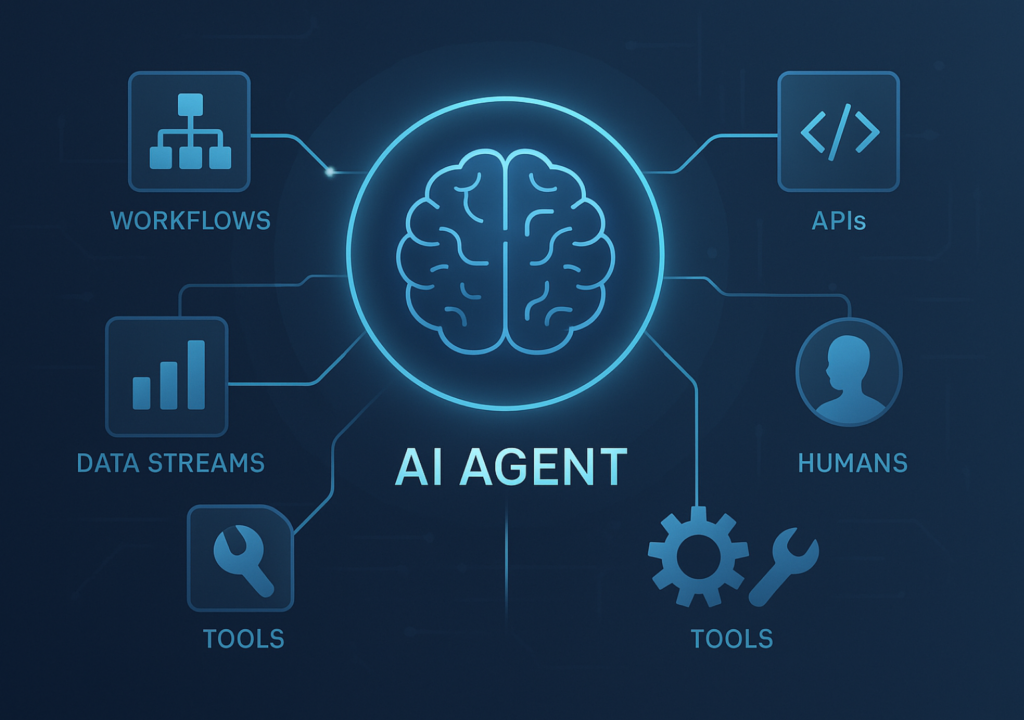
An AI agent is a software entity that observes its environment, understands goals, reasons logically, takes action, and learns over time. Unlike basic AI tools, AI agents work continuously, interact with systems and tools, and make decisions at scale.
AI agents are autonomous, goal-oriented systems designed to solve complex tasks with minimal human intervention.
Key Traits of AI Agents
- Autonomy — Operate independently
- Goal-driven behavior
- Tool integration (APIs, databases, microservices)
- Persistent memory & context retention
- Continuous learning & adaptation
These traits set AI agents apart from traditional models. For more on how AI is shaping industries, see this relevant blog on Transformative Generative AI strategies.
AI Agents vs Traditional AI
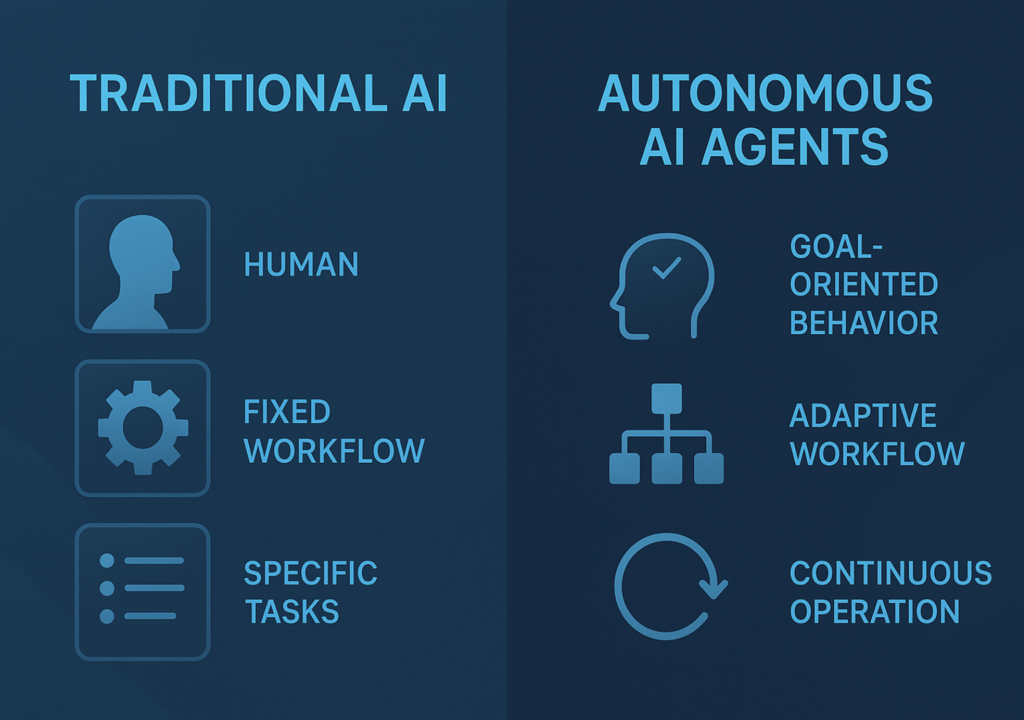
Traditional AI models are reactive — they take input and provide output. But AI agents are proactive, they plan multi-step strategies, evaluate results, and iterate.
| Feature | Traditional AI | AI Agents |
|---|---|---|
| Reaction Style | Reactive | Proactive |
| Memory | Limited | Persistent |
| Reasoning | Single step | Multi-step |
| Autonomy | Low | High |
| Interaction | Simple | Tool-rich |
How AI Agent Workflows Function
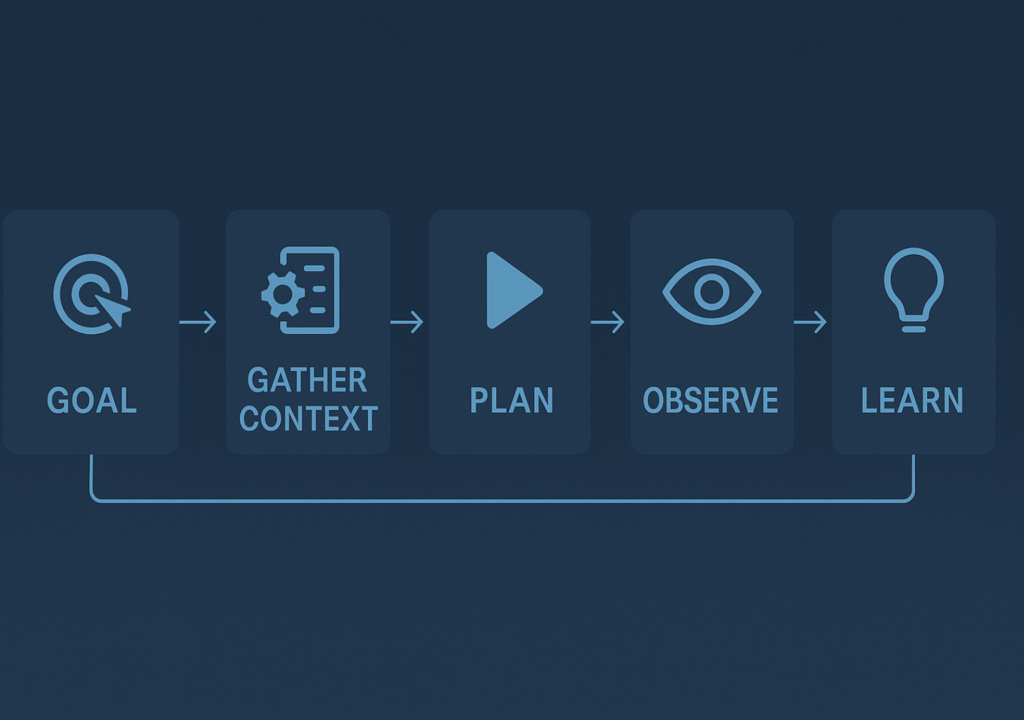
AI agent workflows mimic human decision-making:
- Define the Goal
Example: “Reduce monthly churn by 10%.” - Gather Context
Pull analytics, CRM data, customer feedback. - Plan & Reason
Break the goal into smaller tasks. - Execute Actions
Actions could be automated messaging, database updates, content generation, code execution. - Observe Outcomes
Monitor KPIs, error rates, user responses. - Learn & Optimize
Use feedback to refine future actions.
These continuous cycles make AI agents powerful automation layers.
🧠 Real-World AI Agent Use Cases
AI agents are now actively solving complex business and technical problems.
1. ✔ Product Management & Analytics
AI agents can analyze metrics, discover patterns, and provide data-driven recommendations to PMs. This extends insights you’d get from tools like ChatGPT for Project Managers. Vatsal Shah
🔗 Related: ChatGPT for Project Managers: 8 Benefits You Don’t Want to Miss Out On
👉 https://vatsalshah.co.in/chatgpt-for-project-managers-8-benefits-you-dont-want-to-miss-out-on/
2. 🧩 Software Development & DevOps
Developers benefit from agents that can:
- Generate code snippets
- Run test suites
- Fix common bugs
- Monitor performance
- Trigger DevOps actions
With modern AI, developers move from repetitive tasks to strategic engineering.
3. 📞 Customer Support Automation
AI agents analyze support tickets, understand intent, respond to inquiries, escalate issues, and update backend systems — all without human intervention.
4. 📢 Sales & Marketing Automation
Agents can:
- Segment leads
- Optimize ad budgets
- Generate personalized campaigns
- Predict conversion likelihood
This is a natural extension of Generative AI in marketing trends.
5. 🧑💼 HR & Recruitment
From resume screening to interview scheduling and skills evaluation, AI agents automate HR workflows while preserving candidate experience.
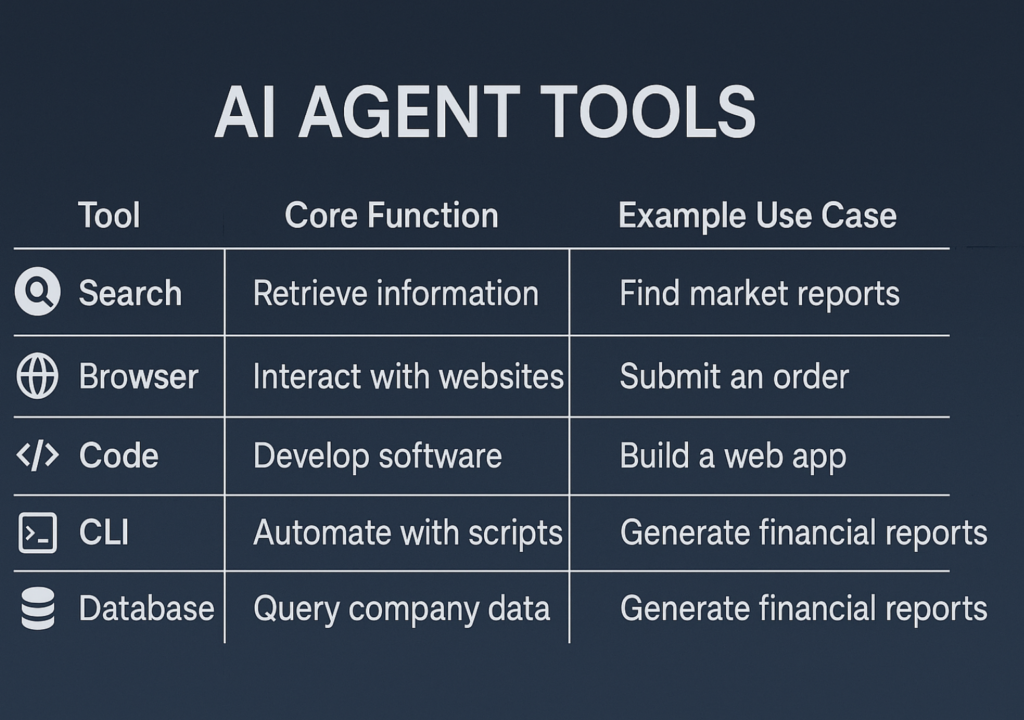
🛠 Top Tools & Frameworks for AI Agents
| Tool | Description |
|---|---|
| LangChain | Build reasoning pipelines and multi-step logic |
| Auto-GPT | Autonomous task execution |
| OpenAI Assistants | Custom agent workflows |
| Framework X | (placeholder — specify here based on your blog or tools you use) |
These tools help developers and enterprise teams build powerful agent systems without reinventing the wheel.
Impact on Product Managers
AI agents are amplifying PM efficiency:
✅ Automated data interpretation
✅ Faster decisions
✅ Better prioritization
✅ Minimal manual reporting
To understand how PMs work smarter with AI, check out the Agile management content on your portfolio site.
Impact on Developers
Developers become AI integrators and moderators:
✔ Architecting intelligent workflows
✔ Ensuring safety and correctness
✔ Debugging agent logic
✔ Integrating with CI/CD pipelines
This evolution elevates developers from writing scripts to defining intelligent systems.
Challenges & Risks with AI Agents
Despite their power, agents come with concerns:
- Data privacy vulnerabilities
- Security exploitation
- Incorrect decisions (“hallucinations”)
- Ethical implications
Balanced governance and human oversight help mitigate risks.
Future Outlook: What’s Next for AI Agents
AI agents are poised to become foundational in enterprise systems.
Future trends include:
- Multi-agent ecosystems
- Self-improving logic
- Vertical AI agents (legal, finance, healthcare)
- Agents embedded in business operations
This aligns with broader AI adoption trends you’ve covered in your blog category.
Conclusion: AI Agents Are the Next Step in Intelligent Workflows
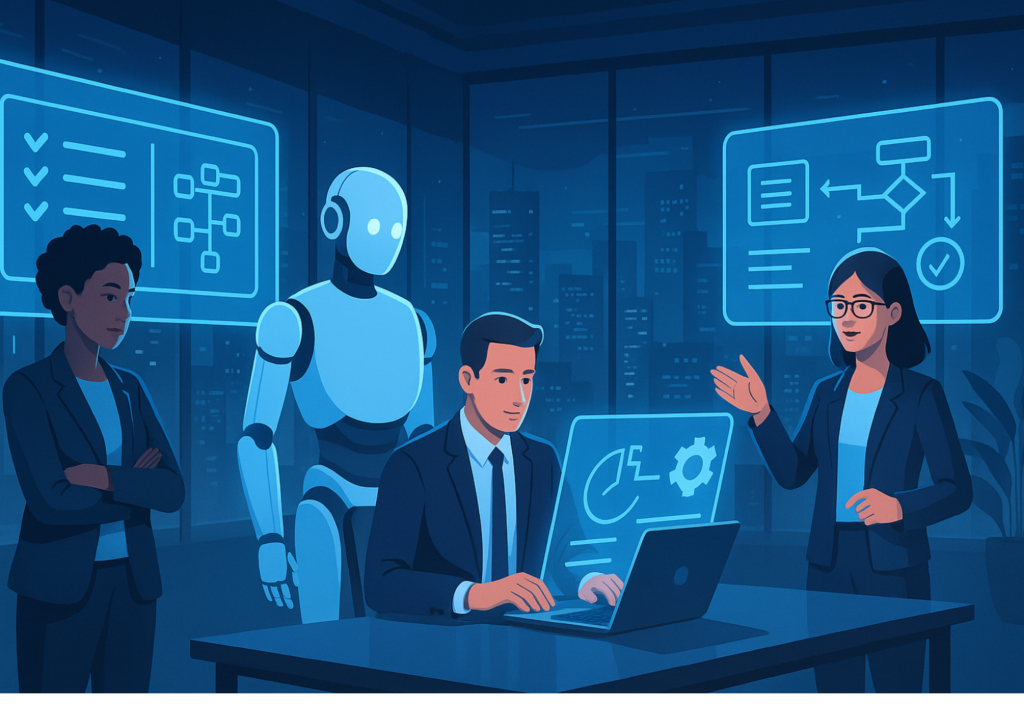
AI agents are not a distant trend — they are already reshaping modern workflows. They enable smarter decision-making, reduce manual tasks, and open new opportunities for developers and product managers alike.
For professionals and businesses, mastering AI agents means being ready for the future of work.